
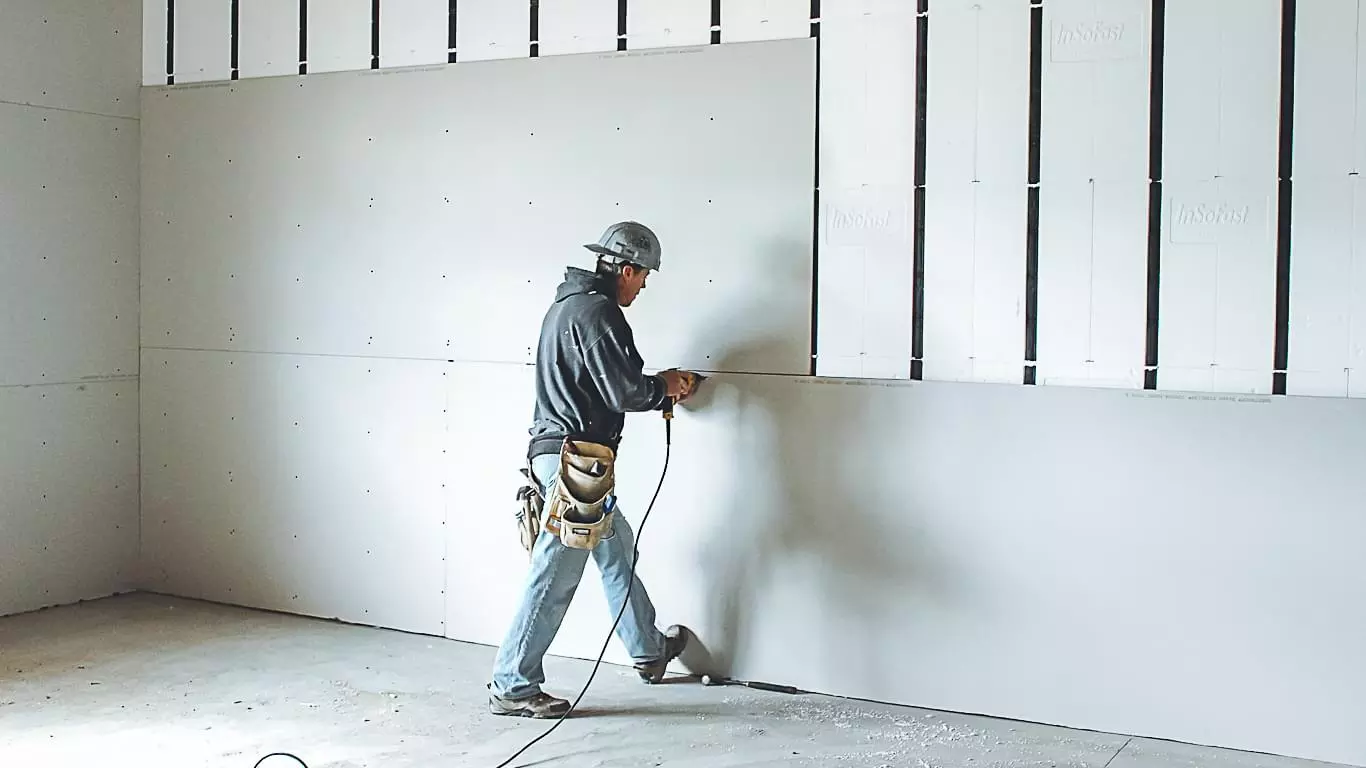
Drywall Installation Guide | Types Process Cost and Finishing Explained
Drywall Installation is the process of fixing gypsum boards to interior walls and ceilings to create smooth, durable, and paint-ready surfaces in residential and commercial buildings.
Key Takeaways
- Drywall Installation creates smooth interior wall surfaces
- Different drywall types suit fire, moisture, and sound control needs
- Proper installation improves durability and finish quality
- Taping and mudding are essential for seamless walls
- Professional installation ensures long-lasting results
What Is Drywall Installation?
What Is Drywall Installation?
Drywall Installation is the process of attaching gypsum boards to wall and ceiling framing to form interior surfaces that are ready for finishing and painting.
What Is Drywall
Drywall is a construction board made of gypsum sandwiched between paper layers, used to build interior walls and ceilings quickly and efficiently.
Types of Drywall Sheets
Common types include standard drywall, moisture-resistant green board, fire-rated Type X, mold-resistant, and soundproof drywall sheets.
Why Drywall Is Used in Homes
Drywall is widely used because it is cost-effective, fast to install, easy to repair, and provides a smooth surface for painting and finishing.
Benefits of Drywall Installation
Advantages of Drywall
Drywall offers a clean, smooth wall finish that improves interior appearance and supports modern construction efficiency.
Affordable Wall Construction Solution
Drywall is cheaper than plaster systems and reduces both material and labor costs in construction projects.
Fire-Resistant Drywall Benefits
Special fire-rated drywall slows flame spread and improves overall home safety during fire incidents.
Soundproof Drywall Advantages
Soundproof drywall reduces noise transfer between rooms, making interiors more comfortable and private.
Moisture-Resistant Drywall Uses
Green board drywall is ideal for bathrooms and kitchens where humidity levels are higher.
Energy Efficiency Benefits
Drywall improves insulation performance when combined with proper wall insulation materials.
Types of Drywall Materials
Standard Drywall Panels
Standard drywall is used in most residential interior walls due to its affordability and easy installation.
Moisture-Resistant Green Board
Green board is designed for damp areas and resists moisture damage better than standard drywall.
Fire-Resistant Type X Drywall
Type X drywall contains special fibers that increase fire resistance and safety performance.
Mold-Resistant Drywall
This drywall type prevents mold growth in humid environments and improves indoor air quality.
Soundproof Drywall Panels
Soundproof panels are thicker and denser, reducing sound transmission between rooms.
Lightweight Drywall Sheets
Lightweight drywall is easier to handle and reduces installation time and labor effort.
Drywall Installation Process
Step-by-Step Drywall Installation
Drywall Installation involves measuring, cutting, placing, fastening, and finishing boards to create smooth interior walls and ceilings.
Measuring and Cutting Drywall
Accurate measurements are taken and boards are cut to fit wall and ceiling dimensions precisely.
Hanging Drywall Panels
Panels are positioned against studs or joists and aligned properly before fastening.
Fastening Drywall Sheets
Drywall screws or nails are used to secure sheets firmly to the structure.
Drywall Joint Preparation
Joints between panels are prepared using tape and compound for a smooth surface.
Corner Bead Installation
Corner beads protect and shape wall edges for a clean and professional finish.
Mudding and Taping Process
What Is Drywall Mudding
Mudding is the process of applying joint compound over seams, screws, and joints to create a smooth surface.
Drywall Taping Techniques
Paper or mesh tape is embedded into joint compound to strengthen wall seams.
Joint Compound Application
Multiple layers of compound are applied and dried to build a seamless wall surface.
Drywall Seam Finishing
Seams are carefully blended to remove visible joints between drywall panels.
Sanding Drywall Smoothly
Sanding smooths the surface for painting and removes uneven compound layers.
Dust-Free Sanding Methods
Modern sanding tools reduce dust for cleaner and safer indoor environments.
Levels of Drywall Finish
Level 1 Drywall Finish
Basic finish used in utility spaces with minimal surface treatment.
Level 2 Drywall Finish
Used for garages or storage areas with light finishing requirements.
Level 3 Drywall Finish
Suitable for textured walls requiring moderate surface smoothness.
Level 4 Drywall Finish
Standard residential finish for painted walls and ceilings.
Level 5 Drywall Finish
Premium smooth finish used for high-end interiors and glossy paint applications.
Drywall Tools and Equipment
Drywall Installation Tools
Proper tools ensure accuracy, speed, and quality in drywall installation work.
Drywall Screw Gun
Used to quickly drive screws into drywall sheets with consistent depth.
Taping Knives and Mud Pans
Used for applying and spreading joint compound evenly.
Drywall Sanding Tools
Used to smooth surfaces before painting and final finishing.
Drywall Lift Machine
Helps install ceiling drywall safely and efficiently.
Safety Equipment for Drywall Work
Includes masks, gloves, goggles, and protective clothing for dust and safety control.
Drywall Cost Breakdown
Drywall Installation Cost
Costs depend on material type, labor, room size, and finishing quality.
Drywall Cost Per Square Foot
Pricing varies based on region and drywall grade selection.
Drywall Sheet Pricing
Standard sheets are cheaper, while fire-resistant and soundproof options cost more.
Labor Cost for Drywall Installation
Labor includes installation, taping, mudding, and sanding services.
Cost of Mudding and Taping
Finishing work often increases total project cost significantly.
Full House Drywall Remodel Cost
Large projects depend on house size, design complexity, and material choice.
Hiring Local Drywall Contractors
Local Drywall Contractors
Professional contractors ensure proper installation, finishing quality, and code compliance.
How to Choose a Drywall Contractor
Check experience, reviews, previous projects, and licensing before hiring.
Licensed and Insured Drywall Contractors
Licensed professionals reduce risk and ensure compliance with safety standards.
Questions to Ask Before Hiring
Ask about pricing, timeline, materials, and finishing quality guarantees.
Drywall Contractor Estimates
Always compare multiple quotes before starting the project.
Drywall Repair and Maintenance
Drywall Crack Repair
Small cracks are repaired using joint compound and sanding techniques.
Fixing Holes in Drywall
Damaged areas are patched, filled, and refinished to restore surface quality.
Water-Damaged Drywall Repair
Water-damaged sections are replaced to prevent mold and structural issues.
Drywall Patch Repair
Patch kits are used for small repairs and surface restoration.
Common Drywall Problems
Includes cracks, dents, nail pops, and moisture damage.
Drywall Maintenance Tips
Regular inspection and quick repairs extend drywall lifespan.
Drywall for Different Areas of the Home
Bathroom Drywall Installation
Moisture-resistant drywall is used to prevent humidity damage.
Kitchen Drywall Solutions
Heat and moisture-resistant drywall improves durability in kitchens.
Basement Drywall Installation
Basements require moisture control and proper insulation.
Garage Drywall Requirements
Fire-rated drywall is often required for safety compliance.
Ceiling Drywall Installation
Ceiling drywall requires lifting tools and strong fastening support.
Commercial Drywall Applications
Used in offices, malls, and commercial interiors for partitioning.
Drywall Finishing and Painting
Preparing Drywall for Paint
Surfaces must be cleaned, sanded, and primed before painting.
Primer for Drywall
Primer improves paint adhesion and surface uniformity.
Painting Newly Installed Drywall
Multiple coats ensure even color and smooth finish.
Smooth Wall Finish Techniques
Proper sanding and compound layering create flawless walls.
Texture Finishing Options
Textured finishes add design depth to interior walls.
High-Gloss Paint Wall Preparation
Requires Level 5 finish for best reflective results.
Drywall Safety and Cleanup
Drywall Dust Cleanup
Dust removal is important for health and indoor air quality.
Room Sealing During Installation
Rooms are sealed to prevent dust spreading.
Construction Debris Removal
Waste materials are safely collected and disposed of.
Safe Drywall Handling Tips
Proper lifting techniques prevent injury during installation.
Protective Gear for Drywall Work
Masks and goggles protect workers from dust exposure.
Common Drywall Installation Mistakes
Incorrect Drywall Measurements
Poor measurements lead to gaps and installation issues.
Poor Joint Finishing
Uneven mudding creates visible wall seams.
Over-Sanding Problems
Excess sanding damages wall surface quality.
Improper Screw Placement
Incorrect screw depth causes surface imperfections.
Skipping Primer Before Painting
Leads to uneven paint absorption.
Ignoring Moisture Protection
Causes mold growth and long-term damage.
DIY vs Professional Drywall Installation
DIY Drywall Installation Guide
DIY is possible but requires skill, tools, and time for proper finishing.
Pros and Cons of DIY Drywall
DIY saves cost but may reduce finish quality if done incorrectly.
When to Hire a Professional
Large projects or high-quality finishes require expert installers.
Time Required for Drywall Installation
Depends on room size, complexity, and finishing level.
Professional Drywall Finishing Benefits
Professionals ensure smooth, durable, and long-lasting results.
Conclusion
Drywall Installation is a key part of modern interior construction that delivers smooth, durable, and functional wall surfaces. From material selection and installation to mudding, taping, and finishing, each step plays an important role in achieving a high-quality result. Proper techniques and skilled contractors ensure long-lasting walls that enhance both residential and commercial spaces.
Professional services like Luma Drywall help ensure high-quality, reliable, and long-lasting drywall results. Their expertise makes the process more efficient, accurate, and professionally finished for both homes and commercial projects.