
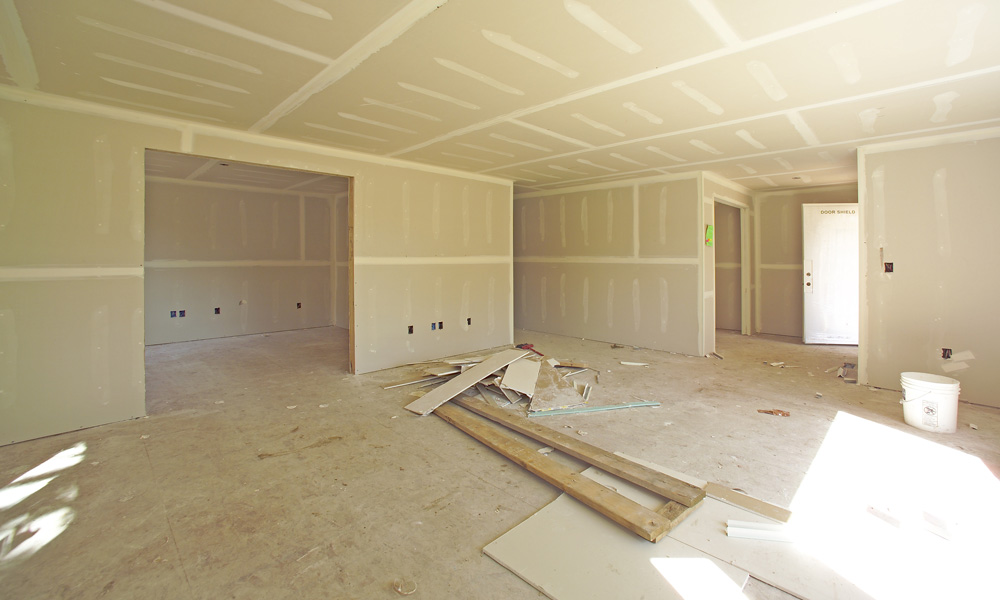
New drywall installation is one of those projects that seems simple on paper but comes with more pricing variables than most homeowners expect. Whether you’re finishing a basement, replacing walls after water damage, or building out a new addition, the final cost depends on far more than just square footage. This guide breaks down what drywall installation typically costs in 2026, what drives the price up or down, and how to compare quotes with confidence.
Average Drywall Installation Cost in 2026
As of 2026, most homeowners pay between $1.50 and $3.50 per square foot for professional drywall installation, which includes materials, hanging, taping, and finishing. For a standard 12×12 room (roughly 400–450 square feet of wall and ceiling surface), that typically works out to $700 to $1,500. A full basement finish, which often involves 1,500–2,500 square feet of drywall, can run $3,000 to $8,000 depending on the layout and finish level.
These numbers assume new framing is already in place and the space is ready for drywall. Projects that also involve demolition, insulation, or electrical rough-in will cost more, since those steps happen before drywall goes up.
What Affects the Cost of Drywall Installation
Square footage. This is the most direct driver of cost — more wall and ceiling area means more material and labor hours, plain and simple.
Drywall thickness and type. Standard 1/2-inch drywall is the most common and most affordable option. Moisture-resistant board for bathrooms, fire-rated drywall for garages, and soundproof drywall all cost more per sheet.
Finish level. Drywall finishing is graded on a scale from Level 0 (unfinished) to Level 5 (smooth, paint-ready in all lighting conditions). A basic paint-ready finish costs less than a Level 5 finish, which requires additional skim coating and sanding for a flawless surface.
Ceiling height and access. Standard 8-foot ceilings are the easiest and cheapest to work with. Vaulted ceilings, stairwells, or hard-to-reach areas require scaffolding or extra labor time, which adds to the price.
Number of corners, angles, and openings. A simple rectangular room with few outlets or windows installs faster than a room with lots of cutouts, angles, or archways.
Removal of old drywall. If existing damaged drywall needs to come down first, demolition and disposal add to the total cost — usually $1 to $2 per square foot on top of installation.
Cost Comparison by Project Type
| Project Type | Typical Cost Range | Notes |
|---|---|---|
| Single room (12×12) | $700 – $1,500 | Standard 1/2-inch drywall, basic finish |
| Full basement finish | $3,000 – $8,000 | 1,500–2,500 sq ft, includes ceilings |
| Bathroom (moisture-resistant board) | $600 – $1,400 | Smaller footprint, pricier material |
| Garage (fire-rated drywall) | $1,200 – $3,000 | Code often requires fire-rated board |
| Drywall repair vs. full replacement | $300 – $900 (repair) | Repairs cost less but don’t apply to full rooms |
These figures are general averages — actual pricing depends on your specific layout, finish level, and site conditions.
New Drywall vs. Drywall Repair
It’s worth distinguishing between full installation and repair work, since they’re priced very differently. Installation refers to hanging new drywall in a space that doesn’t have it yet — new construction, additions, or gutted rooms. Repair refers to patching or replacing damaged sections of existing drywall, such as after a leak, a hole, or cracking. Repairs are almost always cheaper per square foot since they involve less material and setup time, but they require matching the existing texture and finish, which takes skill to blend seamlessly.
Why Professional Installation Is Worth It
Drywall looks straightforward, but the finishing work — taping, mudding, sanding — is where quality really shows. Uneven seams, visible screw dimples, or poor corner bead work become obvious once paint goes on, especially under bright or natural light. Professional installers use consistent technique across multiple coats of joint compound and proper sanding between coats, which is difficult to replicate with a DIY approach on a first attempt. Getting it right the first time also avoids the cost of redoing sections later.
Signs You May Need New Drywall
A few common situations bring homeowners to this decision:
- Finishing a basement or attic that currently has exposed framing
- Water damage, mold, or soft spots in existing drywall that go beyond a simple patch
- Renovating a room and removing walls down to the studs
- Building an addition or new construction space
- Replacing outdated drywall with a moisture- or fire-rated alternative in a bathroom or garage
If your project fits any of these, a professional assessment will give you a much more accurate cost estimate than general online ranges.
Getting an Accurate Quote
A solid drywall quote should break down square footage, drywall type, finish level, and any prep work like demolition or insulation. Avoid quotes that give a single flat number with no explanation — a transparent breakdown makes it much easier to compare bids fairly and know exactly what you’re paying for.
Luma Drywall provides professional drywall installation for homes and businesses throughout Ocean County, NJ, with clean, precise finishing on every project.
Frequently Asked Questions
1. How long does drywall installation take?
A single room typically takes two to three days, accounting for hanging, taping, and drying time between coats. A full basement can take one to two weeks depending on size and finish level.
2. What’s the difference between drywall finish levels?
Finish levels range from 0 (no finishing) to 5 (smooth, paint-ready in all lighting). Most residential rooms use Level 4, while areas with bright or angled lighting often benefit from Level 5 to hide imperfections.
3. Do I need special drywall for a bathroom?
Yes, moisture-resistant or “green board” drywall is recommended for bathrooms and other high-humidity areas to help prevent mold and warping over time.
4. Can drywall be installed over existing damaged drywall?
It’s not recommended. Installing over damaged or moldy drywall can trap moisture and lead to bigger problems later — removing the old material first is the safer, longer-lasting approach.
5. Is drywall installation cheaper than plaster walls?
Generally yes. Drywall installation is faster and less labor-intensive than traditional plaster, which is part of why it’s become the standard choice in most modern construction and renovation projects.
Conclusion
Drywall installation costs in 2026 depend on square footage, material type, finish level, and site conditions, but understanding these factors ahead of time makes budgeting and comparing quotes much easier. Whether you’re finishing a basement or building an addition, working with an experienced installer ensures a smooth, long-lasting result. Luma Drywall — contact us today for a free quote on your drywall installation project in Ocean County, NJ.