
If you’ve been dealing with rooms that never seem to hold a comfortable temperature, energy bills that keep climbing, or drafts you can’t quite trace back to a specific window or door, spray foam insulation has probably come up in your research. It gets recommended often, sometimes as a blanket solution for almost any insulation problem, which makes it hard to tell what it actually does well versus where it’s being oversold.
This guide breaks down what spray foam insulation actually is, how it compares to other insulation types, and where it makes the most sense in a home. For a closer look at how this gets applied on an actual property, this precision spray foam insulation service breaks down what’s involved, but here’s what every homeowner should understand first.
What Spray Foam Insulation Actually Is
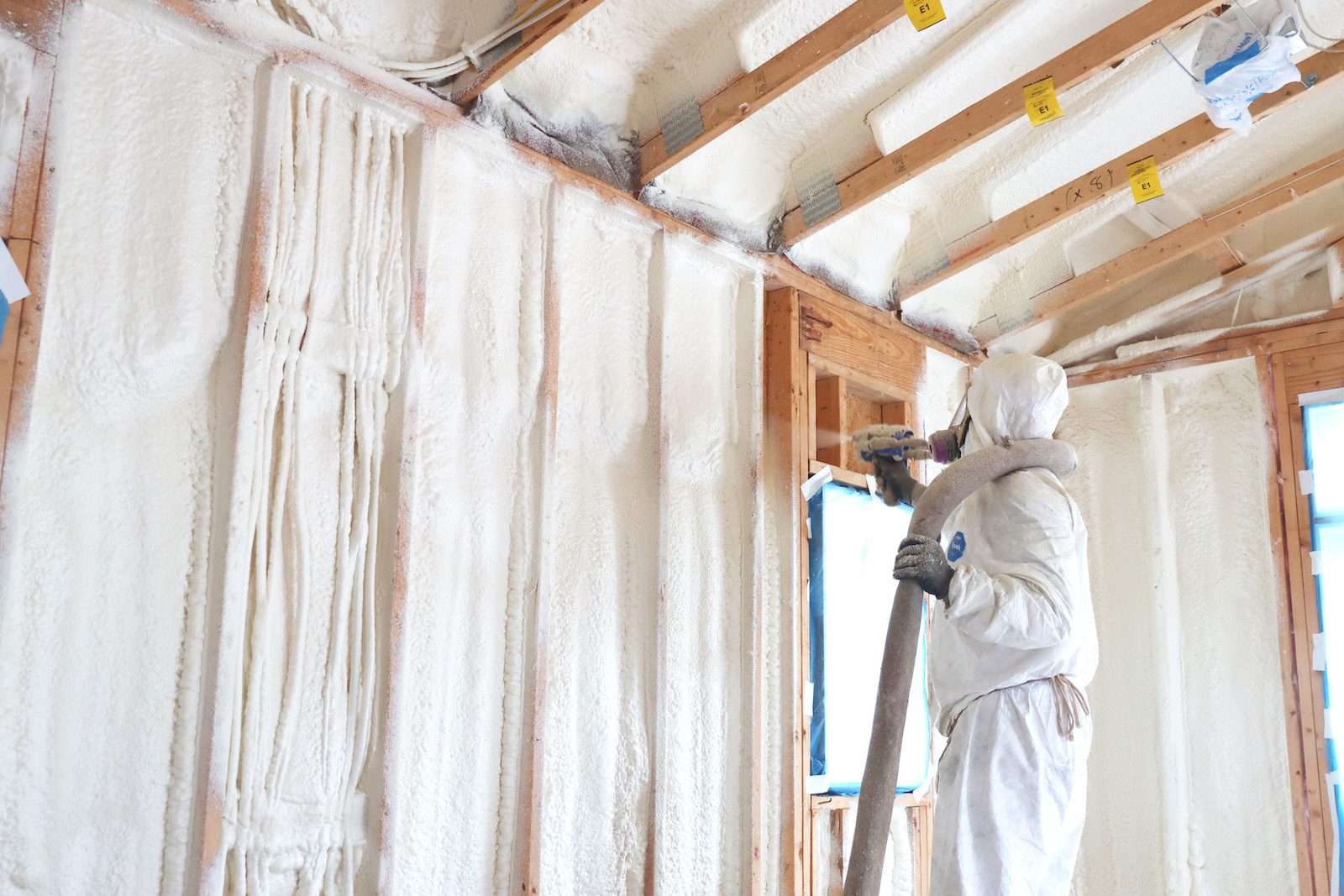
Spray foam insulation is a liquid polyurethane material applied directly into wall cavities, attics, or other spaces, where it expands on contact and hardens into a continuous, air-sealing barrier. Unlike batt insulation, which fills a cavity in pre-shaped sections, spray foam conforms to every gap, corner, and irregular space it touches, creating a seal that traditional insulation materials simply can’t replicate.
There are two main types used in residential and commercial applications. Open-cell spray foam is lighter and more flexible, offering good sound dampening and a lower cost, making it a common choice for interior walls and attic spaces where moisture isn’t a primary concern. Closed-cell spray foam is denser and more rigid, with moisture-resistant properties that make it the better choice for basements, exterior-facing cavities, and areas exposed to higher humidity.
Why Spray Foam Performs Differently Than Traditional Insulation
The core difference comes down to air sealing. Fiberglass batts and blown-in insulation slow down heat transfer, but they don’t fully seal the small gaps and cracks where air actually leaks through a home’s structure. Spray foam does both, insulating and sealing in a single application, which is why homes with spray foam often see a more noticeable difference in temperature consistency and energy costs than a straight material-for-material comparison would suggest.
This matters most in older homes or additions where the framing was never built with airtightness in mind. A wall cavity filled with batt insulation that has settled or gaps left around wiring and plumbing penetrations still allows air movement, even if the R-value on paper looks adequate. Spray foam eliminates that gap entirely by bonding to the surface it’s applied to.
Spray Foam Insulation Myths vs. Reality
Spray foam has picked up a lot of assumptions along the way, some accurate, some based on outdated products or poor installations rather than the material itself.
| Myth | Reality |
|---|---|
| “Spray foam is always worth the extra cost over every other insulation type.” | It performs best in specific applications, like rim joists, attics, and irregular cavities. A mixed approach using foam where it matters most and other materials elsewhere is often more cost-effective. |
| “More foam always means better performance.” | Air sealing quality matters as much as thickness. A properly applied thinner layer with complete coverage can outperform a thicker layer with missed seams or gaps. |
| “Spray foam causes moisture problems in walls.” | Closed-cell foam is specifically moisture-resistant. Problems typically stem from using the wrong foam type for the application, not from spray foam as a category. |
| “You can install it yourself with a store-bought kit and get the same results.” | Professional equipment allows for consistent mixing ratios, pressure, and coverage. DIY kits often result in incomplete expansion or improper adhesion. |
| “Spray foam is a fire hazard.” | Like most insulation types, spray foam is required to be covered by a thermal barrier such as drywall. Installed to code, it carries similar fire safety characteristics to other common insulation materials. |
| “Any insulation contractor can apply spray foam correctly.” | Application technique directly affects expansion, adhesion, and coverage consistency. Experience with spray foam specifically matters more than with most other insulation types. |
Where Spray Foam Insulation Makes the Biggest Difference
Not every part of a home needs spray foam, and a straightforward installer will point out where it’s worth the investment rather than quoting it for every wall in the house. Based on where the performance gains are most noticeable, these are the areas where spray foam consistently delivers the most value:
Attics — Sealing the underside of the roof deck with spray foam converts an unconditioned attic into a temperature-stable space and addresses one of the largest sources of heat loss in most homes.
Rim joists and band boards — This area is one of the most commonly under-insulated spots in a home, and spray foam seals it far more completely than batt insulation ever could.
Additions and irregular framing — New construction tied into older framing often creates gaps and inconsistent cavity shapes at the connection points. Foam adapts to those irregularities in a way pre-cut materials can’t.
Basements and below-grade walls — Closed-cell foam resists moisture intrusion, which matters for concrete walls that were never designed with insulation in mind.
Around penetrations — Small gaps around wiring, plumbing, and other penetrations add up to meaningful heat loss over time, and spray foam fills them completely rather than leaving compressed edges around obstructions.
What to Ask Before Committing to Spray Foam
Given the investment involved, a few direct questions upfront tend to separate a properly planned project from one that wasn’t thought through carefully:
- Which specific areas of the home actually benefit from closed-cell versus open-cell foam?
- What ventilation considerations apply once foam is installed and natural air exchange is reduced?
- Is a vapor barrier needed anywhere in addition to the foam application?
- What’s the expected coverage and thickness once the foam has fully cured?
An installer who answers these with specifics tied to your home’s structure, rather than a blanket recommendation for full-home foam, is usually the one who understands the material well enough to apply it correctly.
Frequently Asked Questions
Is spray foam insulation better than fiberglass insulation? It depends on the application. Spray foam provides superior air sealing and works well in irregular spaces, while fiberglass remains a cost-effective option for standard wall cavities where a full air seal isn’t the primary concern.
Does spray foam insulation help lower energy bills? Yes, particularly in areas prone to air leakage, since spray foam seals gaps that traditional insulation leaves open, reducing the amount of conditioned air that escapes.
Can spray foam be used in an existing finished wall? It’s possible through injection methods, but this approach is more limited than spraying into an open cavity, since existing insulation or moisture issues in the wall need to be addressed first.
How long does spray foam insulation last? When properly installed, spray foam is a long-lasting insulation solution that typically doesn’t settle or degrade the way some traditional insulation materials can over time.
Is spray foam insulation safe once it’s fully cured? Yes, once fully cured, spray foam is considered safe for occupied spaces. Proper ventilation during and immediately after application is important, which is a standard part of a professional installation process.
Making the Right Call for Your Home
Spray foam insulation earns its reputation for a reason, but it performs the way it’s supposed to only when it’s applied correctly, in the right locations, using the right foam type for each specific application. Skipping that assessment and treating spray foam as a one-size-fits-all upgrade is where most disappointing results come from.
If you’re weighing spray foam against other insulation options, it’s worth getting a clear, honest assessment of which areas of your home would actually benefit most. Luma Drywall has handled insulation projects across homes with a wide range of needs, from full attic sealing to targeted rim joist work, based on what each property actually requires.